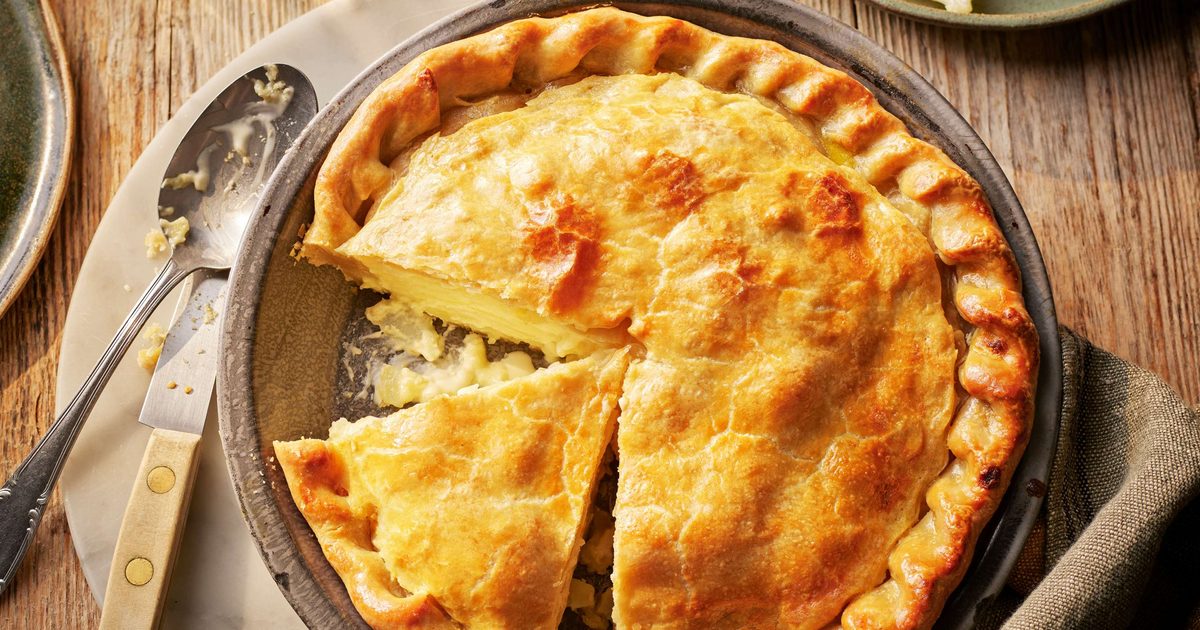
Welcome back to our exploration of the wonderful world of meat-free baking! If you've been following our journey through delicious plant-based creations, you'll know that vegetarian pie recipes - Article 1 introduced you to the basics, and vegetarian pie recipes - Article 2 delved deeper into specific savory and sweet options. Today, we're taking it a step further, equipping you with advanced tips, seasonal inspirations, and creative twists to truly master the art of vegetarian pie making. From perfecting the flakiest crusts to choosing the freshest seasonal fillings, get ready to elevate your baking prowess and impress everyone with your incredible homemade vegetarian pies.
Exploring Diverse Vegetarian Pie Recipes: Beyond the Basics
The beauty of vegetarian pie recipes lies in their immense versatility. They can be hearty main courses, elegant appetizers, or decadent desserts. Moving beyond the classic quiches and fruit pies, let's explore some innovative ideas that will expand your repertoire and tantalize your taste buds.
Savory Sensations: Classic and Creative Fillings
When it comes to savory vegetarian pies, the possibilities are truly endless. Think beyond the usual suspects and get adventurous with your ingredient combinations:
- Global Inspirations:
- Mediterranean Delight: A phyllo pastry pie filled with spinach, feta (or vegan feta), roasted red peppers, sun-dried tomatoes, and Kalamata olives.
- Indian-Spiced Shepherd's Pie: Replace the traditional gravy with a rich, spiced lentil and vegetable curry, topped with a creamy potato or sweet potato mash.
- Mexican Fiesta Pie: A deep-dish pie with layers of seasoned black beans, corn, bell peppers, salsa, and a generous amount of Monterey Jack or vegan cheese.
- Hearty & Wholesome:
- Mushroom and Ale Pie: A rich, umami-packed filling of various mushrooms (cremini, shiitake, oyster) slowly cooked in a dark ale or stout, with carrots, celery, and herbs. Perfect for a cold evening.
- Root Vegetable Gratin Pie: Thinly sliced potatoes, parsnips, and carrots baked in a creamy, herbed sauce, topped with a crisp puff pastry or shortcrust.
- Smoky Tempeh & Veggie Pot Pie: Diced tempeh, smoked paprika, peas, carrots, and corn in a savory gravy, crowned with a flaky pastry.
Practical Tip: To ensure your savory fillings aren't watery, always pre-cook any high-moisture vegetables like spinach or mushrooms, squeezing out excess liquid before adding them to your pie mixture. This prevents a soggy bottom crust!
Sweet Surprises: Decadent Dessert Pies
Sweet vegetarian pie recipes offer comfort and indulgence in every slice. While apple and berry pies are timeless, consider these elevated options:
- Creamy & Dreamy:
- Vegan Chocolate Silk Pie: A rich, smooth chocolate filling made with avocado or silken tofu (don't worry, you won't taste it!) in a crisp cookie crust.
- Lemon Meringue Pie (Egg-Free): Utilize aquafaba (chickpea brine) to create a remarkably stable and fluffy meringue topping for a tangy lemon custard filling.
- Pumpkin Spice Cheesecake Pie: A creamy pumpkin-spiced filling baked into a graham cracker crust, combining the best of cheesecake and pie.
- Fruit Forward & Flavorful:
- Pear and Cardamom Crumble Pie: Sweet pears infused with aromatic cardamom, topped with a buttery oat crumble.
- Stone Fruit Galette: A rustic, free-form pie featuring a medley of peaches, plums, and cherries, often with a hint of almond or vanilla.
- Key Lime Pie with Coconut Whipped Cream: A classic tangy lime filling in a graham cracker crust, crowned with light and airy coconut cream.
Fact: A pinch of salt in sweet pie crusts and fillings actually enhances the sweetness and balances the flavors beautifully, preventing them from tasting flat.
Mastering the Crust: Tips for Every Baker
The crust is often considered the foundation of any great pie. A perfectly flaky, golden crust can elevate even the simplest filling. Here's how to achieve perfection, whether you're sticking to tradition or opting for healthier alternatives.
Flaky Pastry Perfection
For a classic, buttery, and incredibly flaky crust, remember these key principles:
- Keep Ingredients Cold: Cold butter (or vegan butter) and ice water are non-negotiable. Cold fat creates pockets of steam in the oven, leading to those coveted flaky layers.
- Don't Overwork the Dough: Mix just until the ingredients come together. Overworking develops gluten, resulting in a tough crust. Visible streaks of butter are a good sign!
- Chill, Chill, Chill: After mixing and again after shaping, chilling the dough relaxes the gluten and keeps the fat solid, ensuring a tender, flaky bake.
- Blind Baking: For custard, quiche, or very moist fillings, blind baking (pre-baking) your crust prevents it from becoming soggy. Use pie weights or dried beans to keep it from bubbling up.
- Use the Right Fat: A combination of butter and shortening (or their vegan counterparts) often yields the best balance of flavor and flakiness. Butter for taste, shortening for tenderness.
Healthier Alternatives and Gluten-Free Options
For those looking for lighter or dietary-specific crusts, there are fantastic options that don't compromise on taste or texture:
- Whole Wheat Crust: Substitute up to half of the all-purpose flour with whole wheat flour for added fiber and a nuttier flavor. You might need a touch more liquid.
- Oatmeal Crust: A simple blend of rolled oats, a little flour, sweetener, and coconut oil can create a delightful, slightly chewy crust, especially good for fruit pies.
- Nut-Based Crusts: Ground almonds, pecans, or walnuts mixed with a small amount of sweetener and melted vegan butter or coconut oil make a fantastic, often no-bake, crust.
- Gluten-Free Flour Blends: Look for commercially available gluten-free all-purpose flour blends that are specifically designed for baking. They often contain a mix of rice flour, tapioca starch, and xanthan gum for structure.
- Coconut Oil Crust: For a vegan option, cold, solid coconut oil can be used in place of butter for a surprisingly flaky and delicious crust. Ensure it's very cold!
Actionable Advice: When working with gluten-free doughs, they can be more delicate. Try rolling them between two sheets of parchment paper to prevent sticking and make transfer easier.
Seasonal Ingredients for Unforgettable Vegetarian Pies
One of the easiest ways to ensure your vegetarian pies are bursting with flavor is to use ingredients that are in season. Not only do seasonal produce taste better, but they're often more affordable and sustainable.
Spring and Summer Delights
Embrace the freshness and lightness of warmer months:
- Spring: Asparagus, spinach, peas, new potatoes, leeks, rhubarb, strawberries.
- Savory ideas: Asparagus and goat cheese tart, spinach and feta quiche, spring vegetable pot pie.
- Sweet ideas: Rhubarb and strawberry crumble pie, fresh berry tart with a lemon cream filling.
- Summer: Tomatoes, zucchini, corn, bell peppers, eggplant, peaches, blueberries, cherries, raspberries.
- Savory ideas: Tomato and basil tart, ratatouille pie, corn and zucchini quiche.
- Sweet ideas: Peach and blueberry pie, cherry lattice pie, mixed berry galette.
Autumn and Winter Warmers
Turn to the rich, comforting flavors of colder seasons:
- Autumn: Apples, pears, pumpkin, squash, mushrooms, leeks, sweet potatoes, cranberries.
- Savory ideas: Mushroom and leek pie, roasted squash and sage tart, sweet potato and black bean shepherd's pie.
- Sweet ideas: Classic apple pie, pumpkin pie, pear and ginger pie, cranberry and apple crumble.
- Winter: Root vegetables (carrots, parsnips, turnips), dark leafy greens (kale, collards), citrus (oranges, lemons), walnuts, pecans.
- Savory ideas: Root vegetable pot pie with a creamy sauce, kale and potato pie.
- Sweet ideas: Pecan pie, citrus curd tart, spiced apple and walnut pie.
Fact: Freezing seasonal fruits at their peak allows you to enjoy their flavor in your pies year-round. Just adjust baking times slightly as frozen fruit releases more moisture.
Elevating Your Pie Game: Presentation and Pairings
A delicious pie deserves to look as good as it tastes. Presentation, along with thoughtful pairings, can truly transform your vegetarian pie experience.
- Decorative Crusts: Go beyond a simple top crust. Try a lattice top, cut-out shapes (leaves, stars), or an elegant crimped edge. Egg wash (or a plant-based milk wash for vegan pies) gives a beautiful golden sheen.
- Garnishes: A simple garnish can make a huge difference.
- For savory pies: A sprinkle of fresh herbs (parsley, chives, thyme), a dollop of crème fraîche or sour cream (vegan options available), or a side of a vibrant green salad.
- For sweet pies: A dusting of powdered sugar, a swirl of whipped cream (dairy or coconut-based), a scoop of vanilla ice cream, or a few fresh berries.
- Sauces and Accompaniments:
- Savory: Serve with a rich vegetarian gravy, a tangy fruit chutney, a fresh garden salad, or roasted vegetables.
- Sweet: A drizzle of caramel sauce, a fruit coulis, or a cup of coffee or tea makes a perfect accompaniment.
Actionable Advice: Invest in a few simple pie-making tools like a pastry blender, a rolling pin, and some decorative cookie cutters. They make the process easier and the results more stunning.
From the satisfying crunch of a perfectly baked crust to the rich, flavorful filling within, vegetarian pie recipes offer endless culinary joy. Whether you're making a hearty savory pie for dinner or a delicate sweet pie for dessert, the tips and ideas shared here should inspire you to experiment and create truly unforgettable dishes. Embrace the seasons, master your crusts, and don't be afraid to get creative. Happy baking!
